


-

Add: HeBei ShengShi HongBang Cellulose Technology CO.,LTD.
-

Email
13180486930@163.com -

CONTACT US
+86 13180486930

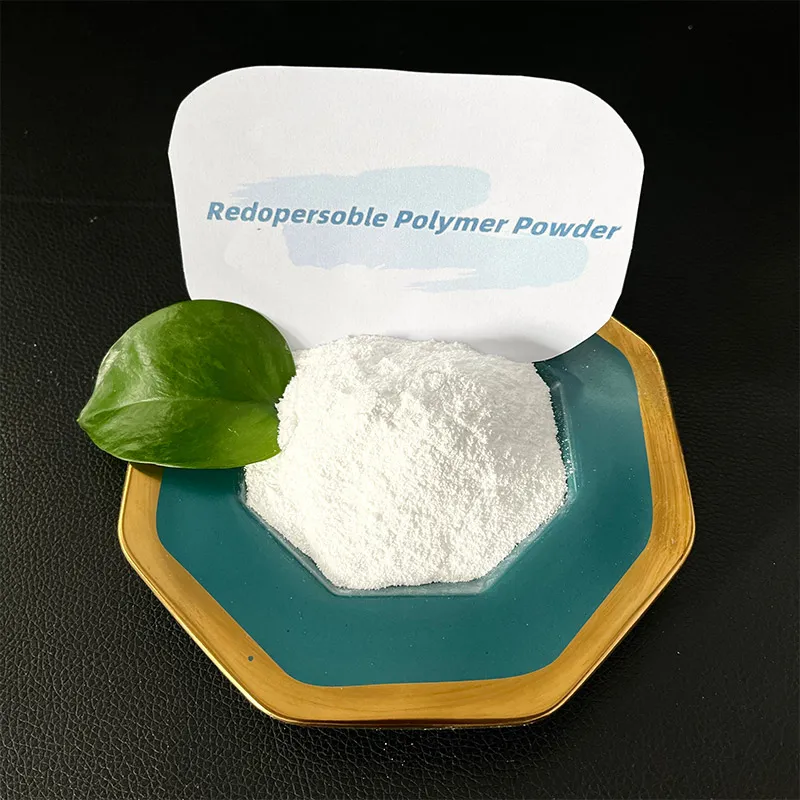

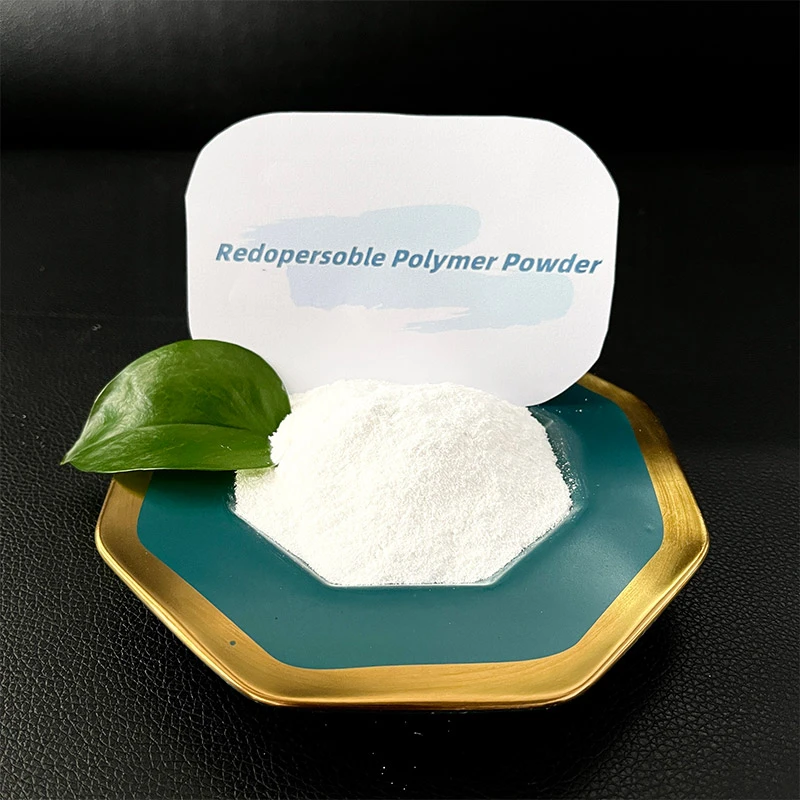



The Insider’s Guide to Starch Ether in Modern Drymix and Beyond If you’ve spent time on a jobsite—or in a lab with a Brookfield viscometer humming in the background—you’ve probably noticed how starch ether quietly fixes problems most people blame on “sand” or “weather.” To be honest, the material’s not flashy. But it’s the difference between a tile adhesive that sags and one that just… sticks. From HeBei ShengShi HongBang Cellulose Technology CO., LTD (Room 1904, Building B, Wanda Office Building, JiaoYu Road, Xinji City, Hebei Province), this refined, white powder is plant-derived, modified via controlled etherification, then spray-dried. In fact, many customers say its balance of water retention and slip-resistance is the most “forgiving” in their drymix line. Industry trend check Two currents define this year’s drymix market: lower-VOC, bio-based additives, and finer control of open time without compromising anti-sag. starch ether —especially low-ionic variants paired with HPMC—hits both goals. Surprisingly, we’re also seeing uptake in gypsum skims where finish consistency matters more than peak viscosity numbers. How it’s made (real-world process flow) Materials: plant starch slurry, alkali, etherifying agents (e.g., hydroxypropyl, carboxymethyl sources), water. Methods: alkalization → controlled etherification (DS tuned) → neutralization → washing → filtration → spray drying → milling → sieving. QC & testing: moisture (oven), DS (titration), 2% sol. viscosity (Brookfield RV, ASTM D2196), pH (1% sol.), sieve residue (250 μm), mortar tests (EN 12004, EN 1015-12, ASTM C1437). Service life: packed shelf life ≈ 24 months (dry, sealed); finished mortar systems typically 20–30 years depending on binder and exposure. Industries: drymix mortars (tile adhesive, wall putty, skim coat, EIFS), gypsum plasters, grouts, fillers, waterborne paints, ceramic bodies. Typical product specs Parameter Value (≈) Notes Appearance White free-flowing powder Plant-derived Moisture < 12% GB/T 6283 Degree of substitution (DS) 0.05–0.30 Customizable 2% sol. viscosity 200–1200 mPa·s Brookfield, ASTM D2196 pH (1% sol.) 7.0–11.0 Ambient temp. Sieve residue < 5% @ 250 μm Flow consistency Recommended dosage 0.05–0.30% on binder Formulation-dependent Where it shines (applications and data) Tile adhesives (C1/C2): reduces slip, improves open time; synergistic with HPMC. Wall putty & skim coat: smoother knife feel; fewer drag marks. Gypsum plaster: anti-sag and better edge retention; less blistering. Self-leveling: anti-segregation at tiny dosages; careful not to over-thicken. Lab snapshot (internal, 23°C, 50% RH): with 0.15% starch ether in a C1 tile adhesive, slip dropped from 1.8 mm to 0.5 mm; open time (EN 1346 proxy) extended ≈ 8–10 minutes; flow (ASTM C1437) stayed within ±5% of control. Real-world use may vary, obviously. Case notes High-summer retrofit (UAE): starch ether + mid-vis HPMC maintained ridges in 38°C heat; installer complaints dropped to near zero. Gypsum skim (EU): 0.12% starch ether cut edge slump by ≈40% while keeping sandability acceptable. Vendor comparison (field impressions) Vendor Typical DS Viscosity Range Certs Lead Time HeBei ShengShi HongBang 0.05–0.30 200–1200 mPa·s ISO 9001, REACH-ready 10–15 days Vendor B (EU) 0.08–0.25 300–1000 mPa·s ISO 14001 3–4 weeks Vendor C (APAC) 0.05–0.20 150–800 mPa·s RoHS 2–3 weeks Note: ranges are indicative; always validate on your own line mixers and local sand. Customization, QC, and packaging Custom DS, particle size, and viscosity windows to match HPMC grade and binder chemistry. Routine tests: rotational rheometry (ISO 3219), flow table (ASTM C1437), tensile adhesion after heat/water aging (EN 12004-1). Packing: 25 kg paper bags with PE liner; palletized. Store cool and dry. Installer feedback? “Knife feel is calmer,” one foreman put it. Another said starch ether “buys me five more minutes when clouds roll in.” Not a bad review. Certifications and compliance Manufacturing under ISO 9001 with batch traceability; compliance support for REACH. Mortar performance verified to EN 12004 classes when used in suitable formulations. Authoritative citations ASTM D2196 – Standard Test Method for Rheological Properties of Non-Newtonian Materials by Rotational (Brookfield) Viscometer. ASTM C1437 – Standard Test Method for Flow of Hydraulic Cement Mortar. EN 12004-1:2017 – Adhesives for tiles. Requirements, evaluation of conformity, classification, and designation. EN 1015-12 – Methods of test for mortar for masonry: Determination of adhesive strength. ISO 3219 – Polymers/Resins in liquid form or as emulsions/dispersions—Determination of viscosity using a rotational viscometer.
- 40000tons

Production
- 20+years

Experience
- 5000+㎡

Acreage

-
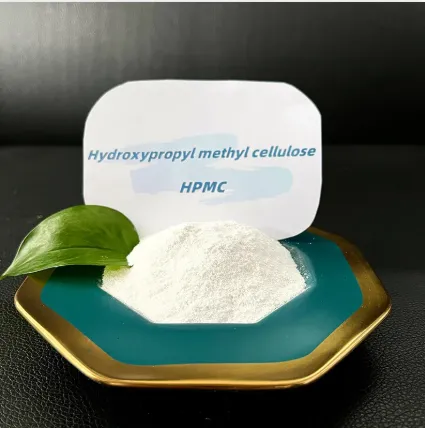
Hydroxypropyl methylcellulose (HPMC) is a versatile product that has gained tremendous attention across various industries due to its unique properties. Derived from cellulose, the most abundant biopolymer on Earth, HPMC has carved a niche for itself, particularly in the construction, pharmaceutical, and food industries. One of the critical factors propelling HPMC's widespread application is its exceptional viscosity and water retention characteristics. In the construction industry, for instance, HPMC is revered for its role in enhancing the workability and performance of cement and gypsum-based products. It acts as a water retention agent and stabilizer, improving adhesion and extending open time, which is crucial for construction applications in diverse environmental conditions. Experts often highlight that the quality of mortar is significantly uplifted with the correct dosage of HPMC, delivering better results without the need for constant adjustments or retries. Moving into the pharmaceutical realm, HPMC emerges as an invaluable excipient, instrumental in the formulation of oral and topical pharmaceuticals. Its non-ionic and inert nature makes it an excellent candidate for controlled release formulations. Medical experts value HPMC for its ability to act as a film-forming agent and as a binder in tablets, directly impacting the efficacy and safety of the medication. The controlled release properties ensure that the therapeutic effects are sustained over an extended period, thereby enhancing the patient experience and compliance. In the food industry, HPMC's utility cannot be overstated. It serves as a vegetarian alternative to gelatin, finding its place in a myriad of food products such as desserts, confectionery, and even low-fat food formulations. Nutritionists and food scientists recognize its role in improving texture and stability while being safe for consumption. The ability of HPMC to form reversible gels upon heating is particularly prized, ensuring that food products maintain their desired quality throughout their shelf life. hpmc hydroxypropyl methyl cellulose The trustworthiness of HPMC stems from its well-documented safety profile and regulatory approvals from bodies such as the FDA and EFSA. This authoritative endorsement across various applications reassures users of its reliability and multifaceted utility. By adhering to rigorous quality standards, manufacturers ensure that HPMC not only meets but often exceeds industry expectations. For businesses considering the incorporation of HPMC into their products, partnering with reputable suppliers who offer technical support and consistency in quality is critical. Experienced suppliers will provide the necessary expertise to tailor HPMC grades to meet specific application needs, ensuring optimal results and satisfaction. In summary, the adaptability and functional benefits of Hydroxypropyl methylcellulose make it an indispensable asset in multiple verticals . As industries continue to evolve, the demand for sustainable and efficient solutions like HPMC is likely to escalate. For businesses and professionals seeking to leverage its potential, understanding its multifaceted applications and sourcing it from credible suppliers will be key to unlocking new levels of innovation and efficiency.
-
The increasing prevalence of digital device usage and environmental pollutants has led to a rise in eye discomfort, ushering a demand for innovative solutions in ocular health. One such solution garnering attention is the incorporation of Hydroxypropyl Methylcellulose (HPMC) in eye drops . Understanding the experience, expertise, authoritativeness, and trustworthiness associated with HPMC can offer insightful perspectives for consumers and professionals alike. HPMC, a semi-synthetic polymer, plays a crucial role in ocular therapy due to its lubricating and protective properties. It has become a cornerstone in combating symptoms of dry eyes, offering relief from irritation and enhancing comfort. Its efficacy is not based solely on its chemical composition; rather, the real-world experience of users is a testament to its benefits. Regular users report noticeable improvements in moisture retention and a significant reduction in dryness-related discomfort. This positive feedback loop not only establishes trust but also reinforces the credibility of HPMC as a reliable component in eye care products. The expertise surrounding HPMC is supported by a wealth of scientific research and clinical studies. Ophthalmologists and researchers have extensively explored the interaction between HPMC and ocular surfaces. The biocompatibility of HPMC allows it to mimic natural tear film, fostering a moist environment that is conducive to healing and comfort. Clinical trials have demonstrated that patients using HPMC-based eye drops exhibit improved tear stability, a crucial factor in alleviating dry eye symptoms. Such findings heighten professional confidence in prescribing HPMC-infused eye drops, thereby positioning them as a first-line defense in dry eye management. Authoritativeness in the context of HPMC is reflected in endorsements from major health organizations and ophthalmic associations. These endorsements are not arbitrary; they stem from rigorous evaluations and assessments of safety and effectiveness. Healthcare authorities recognize HPMC as a credible and beneficial agent in the formulation of artificial tears. This recognition provides consumers with assurance about the quality and safety of HPMC-based products, ensuring that users are making informed decisions about their ocular health. hpmc in eye drops Trustworthiness is perhaps the most critical component when considering any health-related product. Users of HPMC in eye drops consistently emphasize the consistent quality and safe usage of the product. The trust is further cemented by transparent manufacturing processes and adherence to stringent regulatory guidelines. Manufacturers prioritize safety, ensuring that HPMC eye drops are free from harmful additives and are produced under sterile conditions to prevent contamination. This dedication to safety enhances consumer confidence and loyalty, underpinning the long-term success and acceptance of HPMC in the market. Moreover, the user-centric approach adopted by many HPMC-based eye drop manufacturers contributes to their trustworthiness. Offering access to customer service and incorporating feedback for continuous improvement exemplifies commitment to consumer well-being. When users feel heard and see their feedback reflected in product enhancements, the relationship between consumer and brand becomes symbiotic, driving a cycle of trust and broader adoption. In summary, HPMC in eye drops epitomizes the intersection of experience, expertise, authoritativeness, and trustworthiness. It provides a scientifically backed, user-approved solution to the pervasive issue of dry eyes. Consumers can rely on the safety and efficacy of these products, professionals can confidently recommend them, and authoritative bodies can continue to advocate for their use. By delivering on its promises of relief and comfort, HPMC remains a significant player in the ever-evolving landscape of eye care solutions, ensuring its presence on digital platforms is not only necessary but pivotal for individuals seeking to enhance their ocular health.
advantages
-

200000 Viscosities
Excellent product
We can produce pure products up to 200,000 viscosities
-

40000 tons
High yield
We don’t stop production all year round, and the annual output can reach 40,000 tons
-

24 hours
Quality service
We provide 24-hours online reception service, welcome to consult at any time
———— Inquiry Form
Schedule A services

-
 polypropylene_fibre_reinforced_concrete
Oct . 25, 2025
Rubber anti-tack powder plays a critical role in the rubber manufacturing industry . Its application -
 ansos_hpmc
Oct . 25, 2025
When weighing the benefits of HPMC (Hydroxypropyl Methylcellulose) against HEMC (Hydroxyethyl Methyl -
 pp_fiber_manufacturers
Oct . 25, 2025
Navigating the ever-evolving landscape of recycled rubber powder pricing demands a nuanced understan


